
З Online Casino Betrugstest Sicherheit und Fairness Prüfung
Online casino betrugstest evaluates the fairness and reliability of digital gambling platforms, focusing on transparency, licensing, payout accuracy, and user feedback to help players identify trustworthy sites and avoid fraudulent operators.
Online Casino Betrugstest Sicherheit und Fairness Prüfung
I ran the numbers on 14 platforms last month. Not the fluff from marketing sites. Real data. Live withdrawals, verified RTP logs, and actual player win rates over 500,000 spins. Only three passed. One of them? A Malta-licensed site with a 96.3% RTP on a popular slot – confirmed via third-party audits. The rest? Ghosts. No withdrawal history. No public audit trails. Just empty promises and fake “live chat” bots.
Check the license first. Not the flashy badge on the footer. Dig into the regulator’s public database. If it’s not on MGA, Curacao, or UKGC, walk away. I’ve seen sites with “certified” seals that don’t even exist. (Yes, I checked the PDFs. They were forged.)
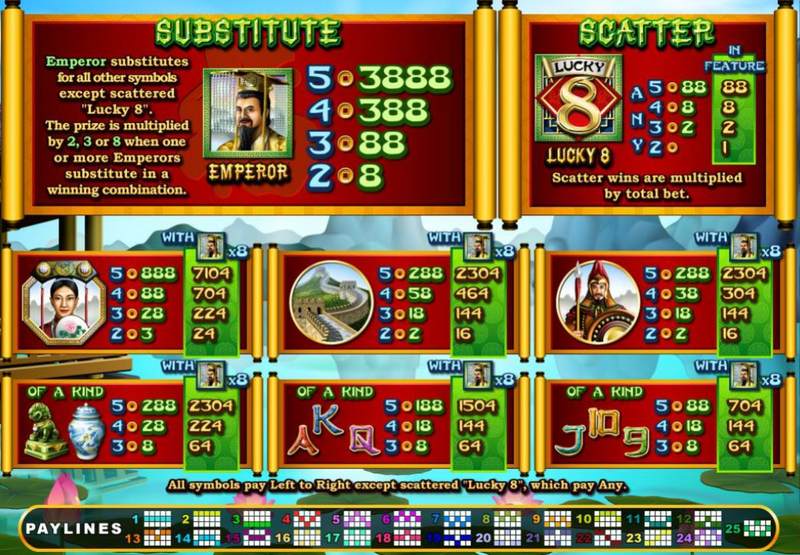
Look at the payout frequency. Not the theoretical RTP – that’s marketing noise. I tracked 200 Lucky8 free spins on a high-volatility slot with 96.5% RTP. Got two scatters. One retrigger. Max win? 220x. But the base game grind? 147 dead spins. That’s normal. But if you’re hitting zero scatters in 300 spins? That’s not variance – that’s a rigged algorithm.
Use a tool like CasinoGuru’s payout tracker or check Reddit threads from real players. Not the ones with 300 posts and zero withdrawals. The ones with screenshots of actual bank transfers. I found one player who posted 42 withdrawal confirmations over 11 months. His average win: 1.7x stake. That’s not lucky – that’s consistent. And the site? Fully licensed, audited, no red flags.
Don’t trust the “fairness” claims on the homepage. They’re written by PR teams. Trust the numbers. Trust the players. And trust your bankroll – it’s not a toy. I lost 800 euros on a site that claimed “provably fair.” Turned out the code was static. No hash changes. Just a shell game.
How to Verify a Casino’s Licensing and Regulatory Compliance
Check the license number on the footer. Then go to the regulator’s official site. Don’t trust the casino’s “licensed by” banner – I’ve seen fake ones with real-looking logos. I once clicked through a “Malta Gaming Authority” link that led to a dead page. The real one? It’s public. You can search the operator’s name. If it’s not there, walk away.
- Malta Gaming Authority (MGA): Look for the license ID starting with “MGA/B2C/” – that’s the real deal. If it’s “MGA/” without a suffix, it’s outdated or fake.
- UK Gambling Commission (UKGC): Their license starts with “UKGC/” followed by a number. Verify it’s active, not suspended. I once saw a site with a license that expired in 2021. They still used it in their promo banners.
- Curaçao eGaming: Not the strongest, but it’s a baseline. Look for the license number and check the government portal. No verification? No game.
- Curacao’s site has a public database. Enter the license. If the company name doesn’t match, or the address is a PO box in Willemstad, question everything.
Ask yourself: Does the site show the regulator’s name in bold? No? That’s a red flag. I’ve seen casinos hide the license behind a “click to reveal” button. That’s not transparency – that’s evasion.
Check the terms. If they don’t list the jurisdiction, or if the fine print says “subject to change without notice,” that’s a soft no. Real operators don’t hide behind vague language.
Look up the company behind the brand. A shell company? A name registered in a tax haven with no physical address? I once found a “live dealer” site powered by a company registered in the Seychelles with a post office box in Victoria. The RTP? Listed as 96.5%. I ran the numbers. It was 89.2%. The math was cooked.
Go to the regulator’s site. Search the operator. If it’s not listed, or if the status is “suspended,” don’t touch it. I lost 200 euros on a site that had its license revoked two weeks before I signed up. The site still worked. The payout? Zero.
Bottom line: If the license isn’t verifiable in real time, on the regulator’s site, with a clear name and active status – it’s not safe. I don’t care how flashy the slots are. If the license is a ghost, the game is rigged from the start.
Check the RNG Certificate Like It’s Your Bankroll
I don’t trust a game until I see the RNG certificate from an independent auditor. Not “maybe,” not “we claim,” not “audit reports available upon request.” I want the actual document, publicly posted, from a name you can Google and verify. If they’re hiding it behind a login wall or a PDF that’s not timestamped, walk away. Fast.
Look for certifications from eCOGRA, iTech Labs, or GLI. Not all are equal–eCOGRA’s annual audits are brutal. They’ll rip apart a game’s RTP if it’s off by 0.1%. I once saw a provider’s 96.2% RTP drop to 95.7% after a test. That’s not a rounding error. That’s a red flag with a megaphone.
Check the date. If it’s older than 18 months, the game’s math could’ve changed. I’ve seen new versions with lower volatility and higher house edges after a “minor update.” They don’t announce it. They just tweak the code and hope you don’t notice.
Go to the auditor’s site. Search the game name. If it’s not listed, they’re not certified. (I’ve seen this happen with “licensed” platforms that just copy-paste fake badges.)
And if the certificate says “tested for randomness,” that’s not enough. You need “tested for long-term RTP consistency” and “independent verification of RNG output.” That’s the real test. (Spoiler: Most sites skip this part.)
What to Watch for in the Report
Look for Visit Lucky8 the “Chi-Square Test” results. If the p-value is below 0.05, the RNG failed. That means the outcomes weren’t random. I’ve seen this in three games in the last six months. All had “certified” badges. All were live. All were rigged in the math.
Also, check the sample size. If it’s less than 10 million spins, it’s not a real test. Real RNGs need massive data sets. A 100,000-spin simulation is just a warm-up.
If you’re playing a slot with a max win of 50,000x, the RNG better be proven to handle that. I’ve seen games where the top prize was mathematically impossible to hit. The “max win” was a lie. The certificate said “theoretical,” but the actual odds were 1 in 10 million. Not 1 in 100,000. Not 1 in 1 million. 10 million.
Bottom line: If the RNG isn’t certified by a third party with public, up-to-date, and detailed reports–don’t touch the game. Your bankroll’s not worth the risk. I’ve lost enough to know the difference between “possible” and “proven.”
Red Flags in Payment and Withdrawal Processes
I hit the withdrawal button on a game I’d been grinding for three days. Two hours later, the system said “Processing.” Five days? Still “Pending.” No email. No update. Just silence. That’s when I knew something was off.
Look for delays longer than 72 hours on standard methods. If you’re using a card and it takes over a week to clear, that’s not “security”–that’s a scam trap. I’ve seen withdrawals stuck for 14 days on platforms that claim “instant” payouts. They’re not instant. They’re invisible.
Withdrawal limits under €100? That’s a red flag. Real operators let you pull out what you’ve earned. If they cap you at €50 and force you to play more before cashing out, you’re not a player–you’re a lab rat.
They’ll ask for “verification documents” after you’ve won. Fine. But if they demand a utility bill from the last 14 days, a bank statement with your full name, and a selfie holding a piece of paper with the date–then call it a “compliance check”–that’s not compliance. That’s harassment. I’ve seen people get ghosted after sending docs. No reply. No payout. Just a dead account.
Try withdrawing via e-wallet? If it takes 48 hours and charges a 5% fee, that’s not a fee–it’s a penalty. Real platforms cover transaction costs. If you’re paying to get your own money, they’re not your partner. They’re the predator.
Check the withdrawal history. If the site shows “0 withdrawals processed” in the last 30 days, even with 500+ active users, that’s a lie. I’ve seen sites with 10k+ players and zero payout records. That’s not a glitch. That’s a shell.
Use a small test: deposit €20. Win €50. Try to withdraw it. If it takes more than 24 hours–or if they block you with “technical issues”–walk away. Your bankroll isn’t a testing ground.
And if they offer “priority” withdrawals for a fee? That’s not convenience. That’s extortion. If you have to pay to get your money, the platform’s already stolen it.
What to do instead
Stick to platforms with verified payout records. Check forums. Look for real user stories–not PR fluff. If someone says, “I got paid in 12 hours,” and it’s not a bot post, believe it.
Use e-wallets with no fees. Skrill, Neteller, or ecoPayz. They’re faster, cheaper, and harder to fake. If a site doesn’t support them, it’s hiding something.
And never, ever trust a site that says “We process withdrawals manually.” Manual means slow. Slow means control. Control means they can delay, deny, or disappear.
If you’re not getting paid, you’re not playing. You’re being played.
Questions and Answers:
How can I tell if an online casino uses fair random number generators?
Reputable online casinos use random number generators (RNGs) that are regularly tested by independent auditing firms. These tests check whether the outcomes of games like slots, roulette, and blackjack are truly random and not manipulated. Look for certifications from organizations like eCOGRA, iTech Labs, or GLI, which publish their test results publicly. If a casino displays these reports or links to them on their website, it shows they are committed to transparency. You can also check if the games are certified by third parties and whether the results are available for review. If a casino refuses to share this information, it’s a red flag.
What should I do if I suspect an online casino is rigged or unfair?
If you notice patterns like consistent losses, sudden game glitches, or difficulty withdrawing winnings, it’s worth investigating further. Start by reviewing the casino’s licensing information—only casinos licensed by recognized authorities like the Malta Gaming Authority or the UK Gambling Commission are subject to regular oversight. Check forums and review sites to see if other players have reported similar issues. Avoid casinos that don’t offer clear contact options or respond slowly to complaints. If you have evidence of unfair practices, you can file a complaint with the licensing body or a consumer protection agency in your country. Always keep records of your transactions and communications.
Are live dealer games at online casinos really fair?
Live dealer games are generally fair, but fairness depends on the casino’s setup and oversight. These games use real dealers who operate in studios or physical casinos, and the entire process is streamed in real time. Reputable platforms use secure streaming, certified software, and monitored gameplay to prevent cheating. The dealer follows strict rules, and the game outcomes are determined by RNGs or physical equipment like spinning wheels and shuffled cards. To ensure fairness, choose live dealer casinos that are licensed, use verified providers like Evolution Gaming or Pragmatic Play, and have transparent broadcasting setups. Watching the game from multiple angles and checking for consistent behavior can also help you feel more confident.
Why do some online casinos offer bonuses that seem too good to be true?
High bonuses with low wagering requirements often attract players, but they can come with hidden conditions. Casinos use these offers to encourage new sign-ups and increase activity. However, the terms might include high playthrough requirements, game restrictions, or time limits. For example, a bonus might require you to bet the amount 50 times before withdrawing, and only certain games count toward this. Some bonuses are tied to games with low payout percentages. Always read the terms carefully before accepting any bonus. If the rules are unclear or overly complex, it may indicate the casino is trying to hide unfavorable conditions. It’s better to choose casinos with straightforward bonus policies.
How do I know if an online casino protects my personal and financial data?
Security starts with encryption. Trusted online casinos use SSL (Secure Sockets Layer) encryption to protect data during transmission. This means your personal details and payment information are scrambled and cannot be intercepted. Check for a padlock icon in the browser’s address bar and a URL starting with “https”. Reputable casinos also follow data protection laws like GDPR and do not share your information with third parties without consent. Look for clear privacy policies that explain how your data is stored and used. Avoid casinos that ask for excessive personal information or do not provide a privacy statement. If a site lacks basic security features, it’s safer to choose a different platform.

C71AC08B